The Relationship Model™ for Governance, Leadership and Management
We train board members from the novice to the experienced, in the following four areas of responsibility of a governing board to help you to solve problems and find success. This work rests on a foundational understanding of relationships and how relationships affect all aspects of governance and management.
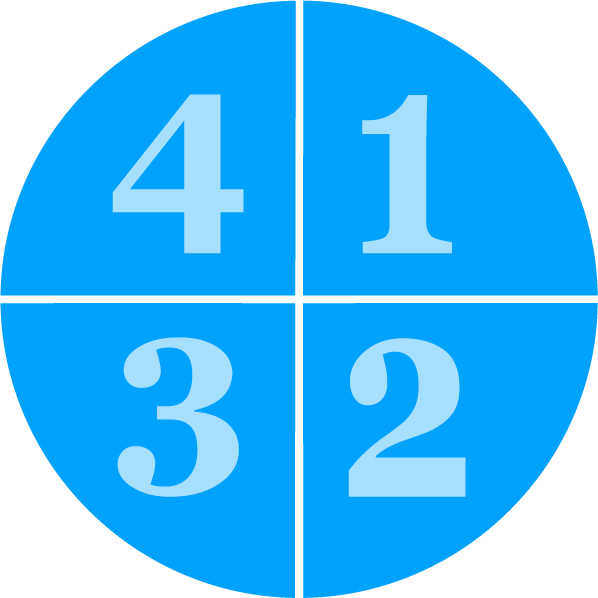
The 14 worst board problems we’ve seen in the last 20 years are within the four gold tabs below the Four Quadrants of Governance Responsibilities.
Four Quadrants of Governance Responsibilities
Monitor Risk, Measure Results, and Exercise Other Board Accountabilities
Delegate Management Authority and Responsibility to the CEO
Direct Strategic Plans
Design Board Structures and Processes
1 - Design Board Structures and Processes
“Our board doesn’t know the difference between governance and management, but they do know they like to manage.”
“Why do we have an Executive Committee? All the board gets is recommendations.”
“Why do I even come to meetings? Most decisions are already made before I get there.”
“Some of our best board members quit. They say they don’t want to major in minors? What’s going on?”
2 - Direct Strategic Plans
“We don’t have a strategic plan and no one seems to know what should be in it.”
“How do we get help for our board without paying an arm and a leg? We’re a not-for-profit.”
“We’re just volunteers. How much time do we have to give to this?”
3 - Delegate Management Authority and Responsibility to the CEO
“The CEO is the founder and makes all the decisions anyway. We’re rubber stamps.”
“Does the CEO work for the Board or the Board Chair? Our Chair doesn’t seem to get this.”
“I hate fundraising. Is this governance or management? Do other boards have to do that?
4 - Monitor Risk, Measure Results, and Exercise Other Board Accountabilities
“I’m afraid something will go wrong on my watch. How can we monitor risk?”
“How do we measure the difference we make in the lives of people?”
“I’ve been on boards before. I don’t need any training.”
“Half of our board members are like bumps on a log. Some never say a word during a whole meeting.”
Free survey
Take a free survey to determine if you have a governing or managing board.
We train three types of boards
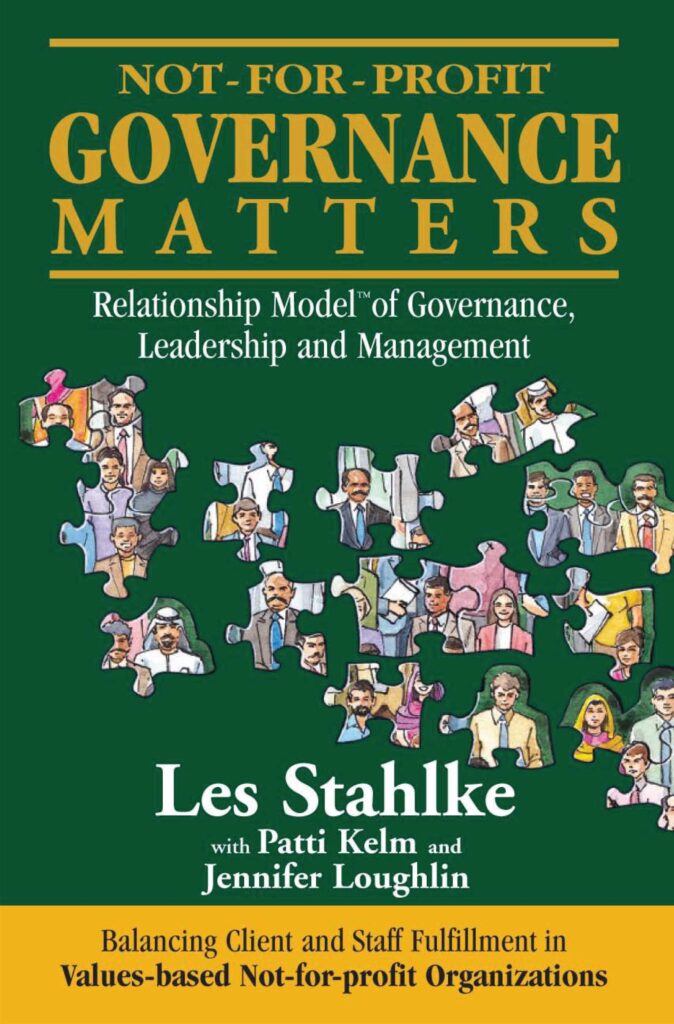
Values-based Not-for-profit Organizations
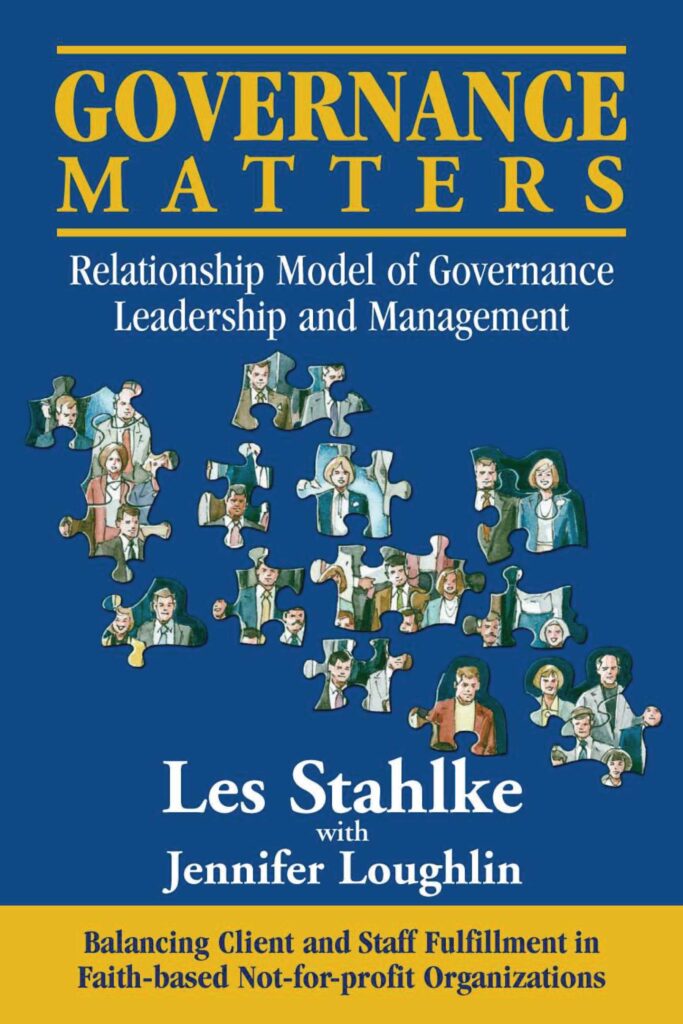
Faith-based Not-for-profit Organizations
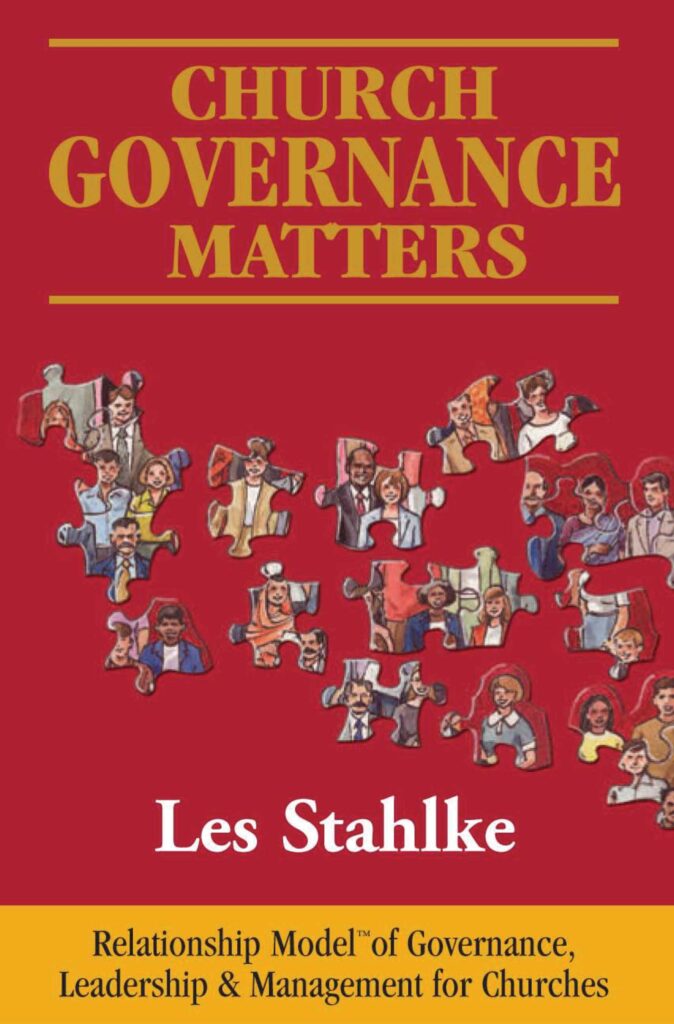
Christian Churches
The Case for The Relationship Model™
The Pandemic has completely changed the way we support our clients!
We used to travel the world to be with the boards we train.
We used to train only the board members who were there when we came.
We used to spend several days over a period of a month or two, and then we’d leave.
We used to change for personal time and travel. It was expensive and inefficient.
We used to watch board members change over time. The board lost what they learned.
We have beat the virus at its own game!
We make virtual visits to the boards we support.
We train all the board members, the CEO/ED/Pastor and the senior staff members.
We provide 32 hours of coaching for 15 months with Certified RM™ coaches.
We provide eight videos and hundreds of attachments and articles for three years.
We maintain a comfortable schedule instead of coming briefly and leaving.
We stay with new board members to provide orientation and training.
We charge about 20% of what boards used to pay and we give much more value.
Join us in the new way of training board members. Everybody wins!
Subscribe to our monthly newsletter for answers to common questions
Price Based Country test mode enabled for testing Cambodia. You should do tests on private browsing mode. Browse in private with Firefox, Chrome and Safari
We’re celebrating our new virtual business model!
We invite you to celebrate with us by downloading our free 360-page eBook on governance, leadership and management.
Click one of the following buttons and you’ll receive
your FREE E-BOOK today: